Guide for the renovation and technological updating in Radiology

10 simple steps to change your equipment smoothly

It has been demonstrated that innovation in medical technology improves the efficiency of clinical processes, increase the quality and safety of the patient/professional and know that their absence implies deterioration in the quality of patient care as well as indirect care costs and additional complications..

If your equipment is more than 15 years old and you are thinking of renewing it, here are 10 steps that will help you to determine when and how to upgrade or replace obsolete equipment on a planned basis that guarantees and maintains diagnostic reliability in your center at all times..

Digital transformation in hospitals What is the current situation?

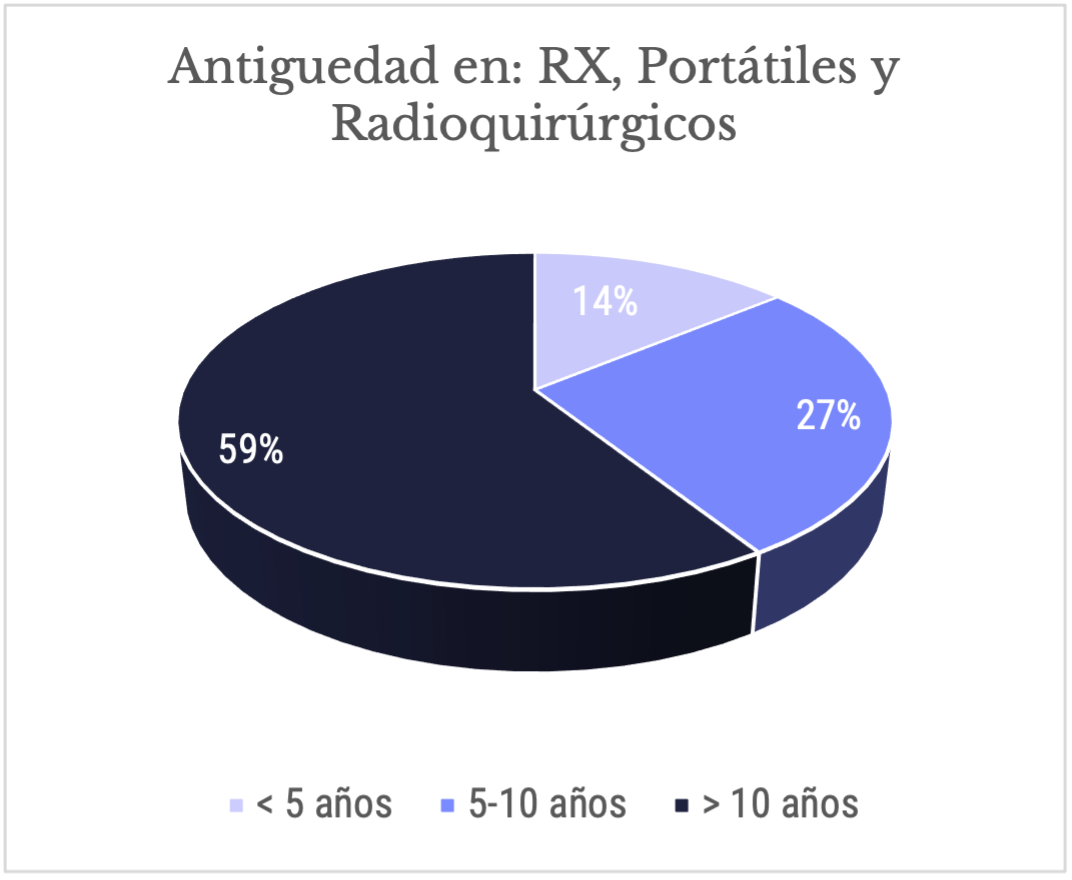
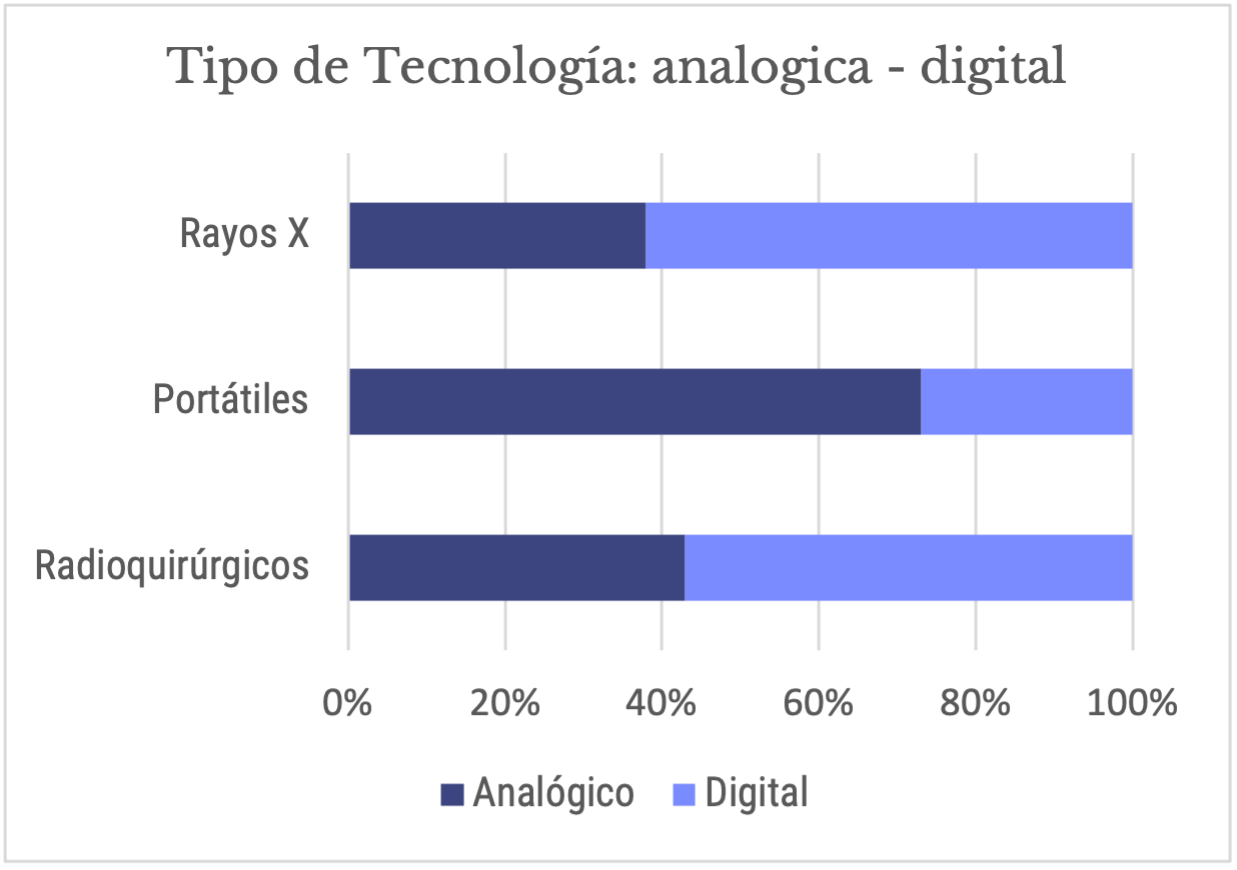
According to SERÁM in the Guide for technological renovation and updating in radiology, 59% of the equipment installed in the centers is more than 10 years old and a massive step towards digital transformation has not yet been taken, thus increasing operational and technological obsolescence. This situation contravenes international recommendations for maintaining high levels of quality and safety for patients and professionals.

Quick guide with 10 recommendations to put an end to the obsolescence of your equipment, according to FENIN in the Hospital Technology Profile

  • Design your own plan for the renewal of your equipment together with the manufacturer, from the moment of installation to the end of its useful life, allowing you to keep up to date with new updates or functionalities in combination with a future technological renewal plan (replacement of equipment from 5 years onwards).
  • Prepare a complete Inventory of all the equipment in your center: containing the maximum information in a single document: with the date of acquisition, annual activity (hours), work shifts, maintenance schedule, record of breakdowns and other incidents.
  • Incorporate the "Life Cycle" criterion in your purchase decision: you will know how many years it is appropriate to replace a piece of equipment taking into account the level of activity to which it is subjected (hours/year tests). It should meet the three "Golden Rules" according to
    COCIR:
    • At least 60% of the equipment installed in a center must be less than 5 years old.
    • At most 30% of the equipment should be between 6 and 10 years old.
    • It will be limited to a maximum of 10% of available technology older than 10 years.
  • Also add new criteria that improve care/economic efficiency. Knowing that pediatric patients receive lower doses of radiation with new technologies, would you accelerate the renovation?

Age should not be the only criterion for renewal, but should be used together with other criteria that may accelerate your purchase decision such as: new regulations (e.g. EURATOM), new upgrades, lack of safety, productivity improvement, lack of a failure rate, maintenance problems, unavailability of spare parts, etc.

  • Ensures proper maintenance of the equipment (according to a preventive and corrective protocol). For this, you need the manufacturer to have a qualified and accredited technical support network that is in charge of performing the annual "sanitary MOT", ensuring the maintenance of all the features and guaranteeing the correct use of the equipment throughout its useful life.
  • Designate an oversight officer at your facility who will proactively document and report safety issues and adverse events at your facility on a daily basis.
  • Assigns a maintenance technician specialized in electromedicine in each center with more than 200 beds with the capacity to supervise the maintenance process, together with the control of spare parts and communicate critical incidents to the country's health authorities and agencies according to the circular RD 1591/2007.
  • Promotes the continuous training of professionals. It's the key to getting the most out of the technology available in your facility. Helping to make more efficient use, streamlining workflow and improving the patient experience.
  • Involve the different healthcare professionals in the purchasing decision process. Their opinion, both from a clinical point of view and in terms of return on investment, is decisive, as they are the ones who really know the real healthcare needs.
  • Carry out a financing plan. There are different ways of approaching the acquisition of new technologies whose subsidies depend on the healthcare system model of each country. It is necessary to develop a business model that considers renovation as a return on investment (ROI) and not only as a cost.

What criteria does EURATOM consider unacceptable in radiological equipment (Article 60.2, New Directive 2013/59/EURATOM)?

According to the European Society of Radiology (ESR), any medical center should have a plan to serve as a basis for the tool for the decision making process of a renovation.

It is time to actif you find that the old equipment in your facility follows some of the points below:

  1. Lack of pediatric protocols.
  2. Absence of automatic dose information
  3. Absence of a DICOM structured dose report

You may also be interested in:

Welcome to Radiology S.A.

In accordance with Law 29/2006 of July 29, 2006, to access our website, please confirm that you are a healthcare professional.